2017 Schmidt Symposium
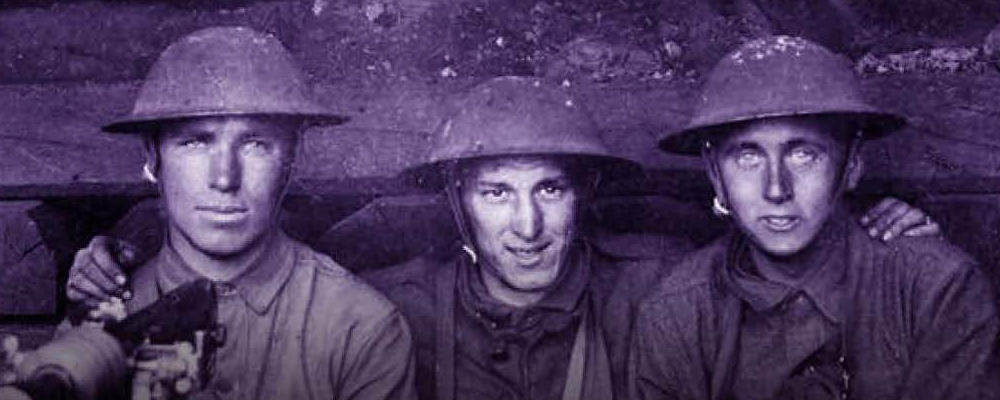
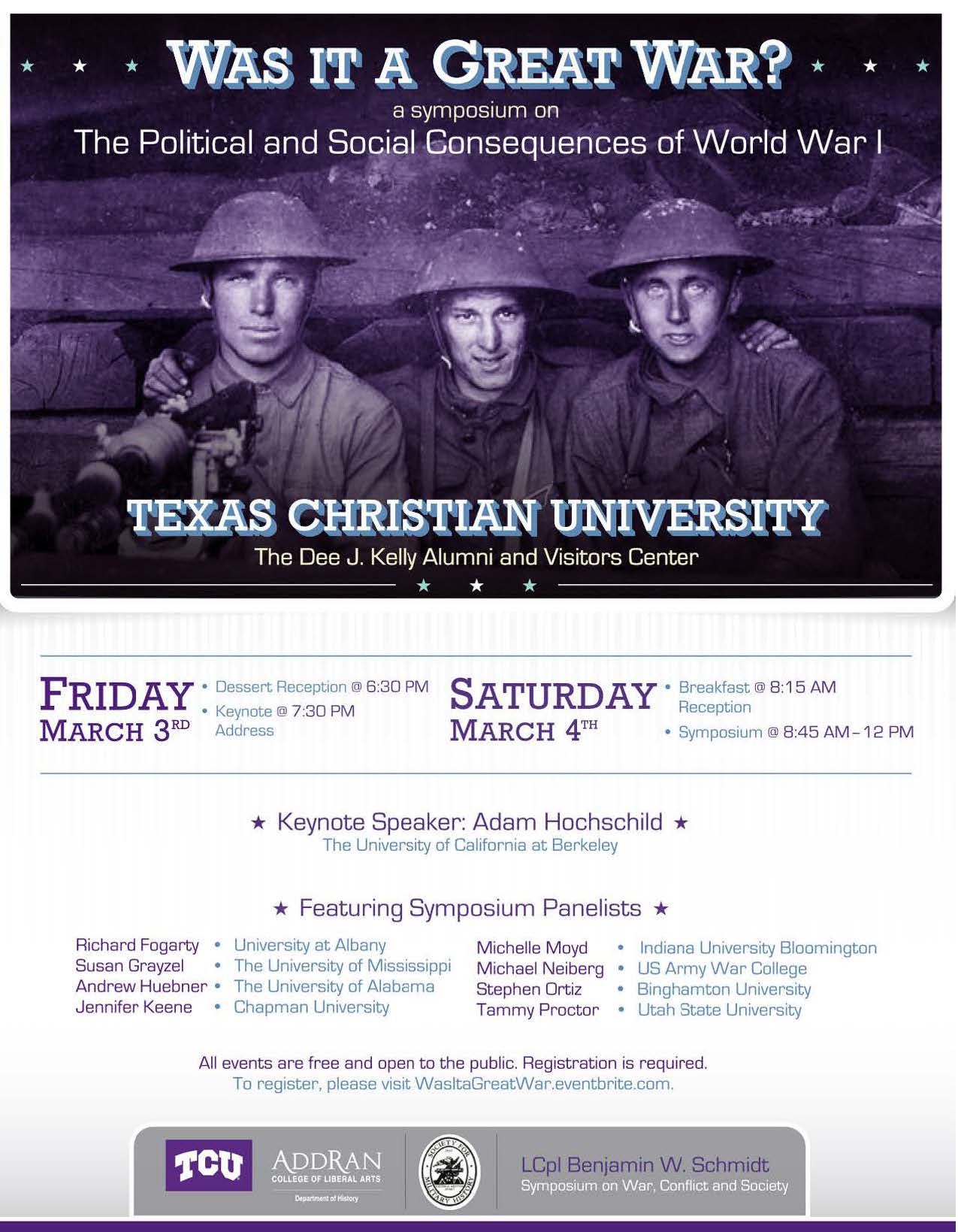
Was It A Great War?
A Symposium on The Political & Social Consequences of World War I
March 3-4, 2017
Dee J. Kelly Alumni & Visitors Center
Featured Presentation
The University of California at Berkeley
Panelists
Richard Fogarty
Associate Professor of History and Associate Dean for General Education at the University at Albany, SUNY
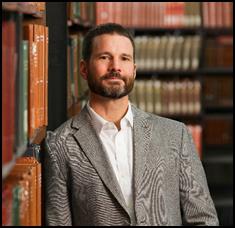 A historian of modern France and Europe, with particular interests in the histories
of culture, politics, war, and the military, he has written extensively on World War
I, the French army, racism, and French and European attitudes toward Islam and Muslims.
He is the author of Race and War in France: Colonial Subjects in the French Army, 1914-1918 (Johns Hopkins University Press, 2002) and co-editor of Empires in World War I: Shifting Frontiers and Imperial Dynamics in a Global Conflict (I.B. Tauris, 2014). He is now working on a study of North African Muslims as prisoners
of war in Germany, with special attention to the place of Islam in the wider military
and ideological struggle in Europe and the Middle East.
A historian of modern France and Europe, with particular interests in the histories
of culture, politics, war, and the military, he has written extensively on World War
I, the French army, racism, and French and European attitudes toward Islam and Muslims.
He is the author of Race and War in France: Colonial Subjects in the French Army, 1914-1918 (Johns Hopkins University Press, 2002) and co-editor of Empires in World War I: Shifting Frontiers and Imperial Dynamics in a Global Conflict (I.B. Tauris, 2014). He is now working on a study of North African Muslims as prisoners
of war in Germany, with special attention to the place of Islam in the wider military
and ideological struggle in Europe and the Middle East.
Susan Grayzel
Professor of History at the University of Mississippi
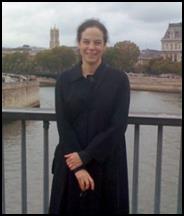 She has authored several books on the experiences and consequences of World War I,
especially for women and civilians in Europe. These include Women’s Identities at War: Gender, Motherhood, and Politics in Britain and France
during the First World War (University of North Carolina Press, 1999), which won the British Council Prize from
the North American Conference on British Studies, Women and the First World War (Routledge, 2002), At Home and Under Fire: Air Raids and Culture in Britain from the Great War to the
Blitz (Cambridge University Press, 2012) and The First World War: A Brief History with Documents (Bedford, 2012). She is currently editing (with Tammy Proctor) a collection of essays
on the ways World War I shaped gender across the world and working on a revised second
edition of Women and the First World War as well as a monograph: “The Age of the Gas Mask: Chemical Weapons and Civilian Bodies
in Imperial Britain, 1915-1945.”
She has authored several books on the experiences and consequences of World War I,
especially for women and civilians in Europe. These include Women’s Identities at War: Gender, Motherhood, and Politics in Britain and France
during the First World War (University of North Carolina Press, 1999), which won the British Council Prize from
the North American Conference on British Studies, Women and the First World War (Routledge, 2002), At Home and Under Fire: Air Raids and Culture in Britain from the Great War to the
Blitz (Cambridge University Press, 2012) and The First World War: A Brief History with Documents (Bedford, 2012). She is currently editing (with Tammy Proctor) a collection of essays
on the ways World War I shaped gender across the world and working on a revised second
edition of Women and the First World War as well as a monograph: “The Age of the Gas Mask: Chemical Weapons and Civilian Bodies
in Imperial Britain, 1915-1945.”
Andrew Huebner
Associate Professor of History, University of Alabama
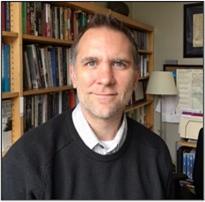 A scholar of twentieth-century U.S. politics, society, and culture, he has written
about the relationship between the media and war, as well as images of American soldiers
in popular culture. He is the author of The Warrior Image: Soldiers in American Culture from the Second World War to the Vietnam
Era (University of North Carolina Press, 2008). He is currently working on a book about
American families and public culture during the First World War, tentatively titled
“Love and Death in the Great War.”
A scholar of twentieth-century U.S. politics, society, and culture, he has written
about the relationship between the media and war, as well as images of American soldiers
in popular culture. He is the author of The Warrior Image: Soldiers in American Culture from the Second World War to the Vietnam
Era (University of North Carolina Press, 2008). He is currently working on a book about
American families and public culture during the First World War, tentatively titled
“Love and Death in the Great War.”
Jennifer Keene
Professor of History and Chair of the History Department, Chapman University
 She also serves as President of the Society for Military History, serves on the advisory
board of the International Society for First World War Studies, and is a member of
the Historical Advisory Board for the U.S. World War One Centennial Commission. A
specialist in the American military experience of World War I, she has published several
books on the war, including World War I: The American Soldier Experience (University of Nebraska Press, 2011), World War I: American Soldiers’ Lives (2006), Doughboys, the Great War and the Remaking of America (Johns Hopkins University Press, 2001), and Finding Common Ground: New Directions in First World War Studies (co-edited with Michael Neiberg, Brill, 2011).
She also serves as President of the Society for Military History, serves on the advisory
board of the International Society for First World War Studies, and is a member of
the Historical Advisory Board for the U.S. World War One Centennial Commission. A
specialist in the American military experience of World War I, she has published several
books on the war, including World War I: The American Soldier Experience (University of Nebraska Press, 2011), World War I: American Soldiers’ Lives (2006), Doughboys, the Great War and the Remaking of America (Johns Hopkins University Press, 2001), and Finding Common Ground: New Directions in First World War Studies (co-edited with Michael Neiberg, Brill, 2011).
Michelle Moyd
Associate Professor of History at Indiana University and a scholar of eastern Africa, World War I, German colonialism, soldiers, and militarization
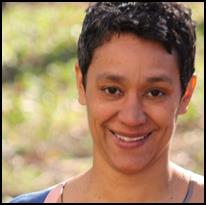 She is the author of Violent Intermediaries: African Soldiers, Conquest, and Everyday Colonialism in German
East Africa (Ohio University Press, 2014) and is currently completing another book entitled “Africa,
Africans, and the First World War.” She has published several articles on African
soldiers who served in colonial European armies during World War I. She has held prestigious
fellowships at Humboldt University in Berlin and the University of Texas-Austin, and
has been a Fulbright Scholar in Tanzania.
She is the author of Violent Intermediaries: African Soldiers, Conquest, and Everyday Colonialism in German
East Africa (Ohio University Press, 2014) and is currently completing another book entitled “Africa,
Africans, and the First World War.” She has published several articles on African
soldiers who served in colonial European armies during World War I. She has held prestigious
fellowships at Humboldt University in Berlin and the University of Texas-Austin, and
has been a Fulbright Scholar in Tanzania.
Michael S. Neiberg
Inaugural Chair of War Studies in the Department of National Security and Strategy at the United States Army War College
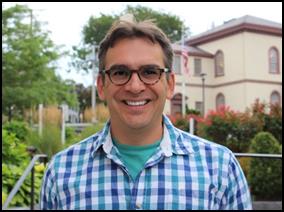 His published work specializes on the First and Second World Wars, notably the American
and French experiences. His most recent books on the First World War include Path to War: How the First World War Created Modern America (Oxford University Press, 2016), a history of American responses to the Great War,
1914-1917, and Dance of the Furies: Europe and the Outbreak of World War I (Harvard University Press, 2011). The Wall Street Journal named Dance of the Furies one of the five best books ever written about the war. In 2012 Basic Books published
his The Blood of Free Men, a history of the liberation of Paris in 1944, and in 2015 published Potsdam: The End of World War II and the Remaking of Europe.
His published work specializes on the First and Second World Wars, notably the American
and French experiences. His most recent books on the First World War include Path to War: How the First World War Created Modern America (Oxford University Press, 2016), a history of American responses to the Great War,
1914-1917, and Dance of the Furies: Europe and the Outbreak of World War I (Harvard University Press, 2011). The Wall Street Journal named Dance of the Furies one of the five best books ever written about the war. In 2012 Basic Books published
his The Blood of Free Men, a history of the liberation of Paris in 1944, and in 2015 published Potsdam: The End of World War II and the Remaking of Europe.
Stephen Ortiz
Associate Professor of History at Binghamton University, SUNY
 A political, military, diplomatic, and gender historian of the twentieth-century United
States, his publications have examined the ways veterans have shaped American society
and politics. He is the author of Beyond the Bonus March and GI Bill: How Veteran Politics Shaped the New Deal Era (New York University Press, 2009) and editor of Veterans’ Policies, Veterans’ Politics: New Perspectives on Veterans in the Modern
United States (University Press of Florida, 2012), along with several articles that have appeared
in academic journals. He is completing a new book tentatively titled “Comrades in
Arms: Veteran Organizations and the Politics of National Security in the American
Century.”
A political, military, diplomatic, and gender historian of the twentieth-century United
States, his publications have examined the ways veterans have shaped American society
and politics. He is the author of Beyond the Bonus March and GI Bill: How Veteran Politics Shaped the New Deal Era (New York University Press, 2009) and editor of Veterans’ Policies, Veterans’ Politics: New Perspectives on Veterans in the Modern
United States (University Press of Florida, 2012), along with several articles that have appeared
in academic journals. He is completing a new book tentatively titled “Comrades in
Arms: Veteran Organizations and the Politics of National Security in the American
Century.”
Tammy M. Proctor
Professor of History and Department Head in History at Utah State University
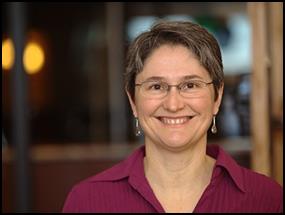 Her research has examined the social and cultural history of World War I. Her publications
include An English Governess in the Great War: The Secret Brussels Diary of Mary Thorp (co-edited with Sophie de Schaepdrijver, Oxford University Press, 2017), Civilians in a World at War, 1914-1918 (New York University Press, 2010), and Female Intelligence: Women and Espionage in the First World War (New York University Press, 2003). She is currently completing two projects: a textbook
on the First World War and a collection of essays (co-edited with Susan R. Grayzel)
entitled “Gender and the Great War.”
Her research has examined the social and cultural history of World War I. Her publications
include An English Governess in the Great War: The Secret Brussels Diary of Mary Thorp (co-edited with Sophie de Schaepdrijver, Oxford University Press, 2017), Civilians in a World at War, 1914-1918 (New York University Press, 2010), and Female Intelligence: Women and Espionage in the First World War (New York University Press, 2003). She is currently completing two projects: a textbook
on the First World War and a collection of essays (co-edited with Susan R. Grayzel)
entitled “Gender and the Great War.”
Your donation will allow us to continue to Honor a Legacy
Learn about the
LCpl. Benjamin W. Schmidt Symposium on War, Conflict, and Society Endowment Campaign