Experiential Learning
What is Experiential Learning?
Experiential learning in the TCU Department of English connects classroom study with meaningful engagement beyond the university. Through internships, community partnerships, research, publishing, creative projects, public humanities work, and work-integrated experiences, students apply their skills in real-world settings while deepening their understanding of language, rhetoric, literature, creative expression, and culture. These opportunities reflect TCU's mission to educate ethical leaders and responsible global citizens, while advancing the university’s values of integrity, engagement, community, and excellence through critical inquiry, creative expression, and service.
Explore the different areas of experiential learning we offer through TCU’s English Department.

Work-Integrated Learning
Career preparation, as a form of experiential learning, helps students translate their academic work into professional skills and opportunities. In the English department, students engage in internships and professional development experiences that build expertise in writing, communication, and critical thinking. These opportunities prepare students to navigate career paths with confidence and a clear sense of how their studies apply beyond the classroom.

Leadership
Leadership as a form of experiential learning means taking initiative, collaborating effectively and guiding projects from idea to impact. For majors or minors in the English department, leadership involves using strong communication and critical thinking skills to contribute meaningfully to community partnerships, student publications, and departmental events. Through experiential learning experiences, students develop confidence, responsibility, and the ability to lead with insight and purpose.
Community-Engaged Learning
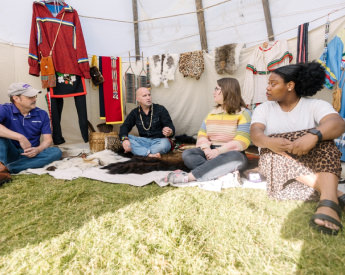
In the English department, students apply their skills in writing, analysis, and communication to projects that serve public needs, such as collaborating with non-profits or cultural organizations. These experiences foster a sense of responsibility, deepen empathy through real-world applications, and highlight the impact of the humanities beyond the university.

Research & Creative Activity
Undergraduate research and creative activity, as a form of experiential learning, invites students to pursue original questions and contribute new insights to the study and creation of literature, rhetoric, writing, and culture. In the English department, students work closely with faculty to develop critical research projects and creative works through sustained inquiry and revision. These experiences strengthen intellectual independence and prepare students for advanced study as well as a wide range of professional paths.

Study Abroad
Study abroad, as a form of experiential learning, immerses students in new cultural and linguistic environments. Building on their English department classroom encounters with global texts, histories and communities, students who study abroad expand their perspectives on literature, language, and communication.