Community-Engaged Learning
Community Connection

In the English department, students apply their skills in writing, analysis, and communication to projects that serve public needs, such as collaborating with non-profits or cultural organizations. These experiences foster a sense of responsibility, deepen empathy through real-world applications, and highlight the impact of the humanities beyond the university.
What Our Faculty Say: Dr. Charlotte Hogg
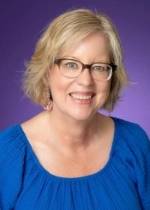
“By using community-engaged learning with my students, I strive for them to build meaningful connections incorporated within their learning process. I want students to build on their rhetorical comprehension, step outside of their comfort zones, and understand that their voices mean something. Also, it is vital for students to understand that their learning does not end in the classroom. My goal is for them to continue having a passion in making a change in the world, no matter the size.”
What Our Faculty Say: Dr. Chantel L. Carlson
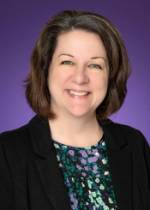
“I use community-engaged learning because I do not want students to feel like their assignments are chores that have to be completed. I want students to genuinely feel impacted by the work they do in my courses and take home what they have learned or applied. Students build on their passions for community outreach and strengthen their courage inside and outside of the classroom. I want students to chase the feeling of making a change in the world.”
Dr. Ismael Quinones introduces students to community engaged learning with his Archiving
the Present course. Students actively build an archive on a political, social, and/or
cultural issue going on now. The projects are part of a larger project on “Witnessing
Loss” in the context of climate
change, escalation of political violence, and migration. By getting engaged with the
community in learning, students begin to feel passionate about making change in society
while remembering the past.
Mat Wenzel engages students in community learning in his Introduction to Composition courses by encouraging students to go on two “site visits” of non-dominant cultures and engage in one “listening session.” Students conduct research based on their experiences and give voice to the communities which they visited.
Theresa Gaul engages in community learning in her classes when she encourages students, who have studied Indigenous stories and writing, to attend or volunteer at a local powwow and write a reflection connecting that experience to their learning in the course.
Tabitha Tan (Diné), a TCU alum, introduced students in U.S. Women’s Writing I to Diné textiles in the Mary Couts Burnett Library’s Special Collections. Tabitha’s
grandmother was a weaver, and she talked with students about the meanings of textile
weaving as a mode of women’s cultural expression and production in the Navajo Nation.
Students take their learning from a Native community member back to their course readings
with an enriched understanding of broader definitions of “writing.”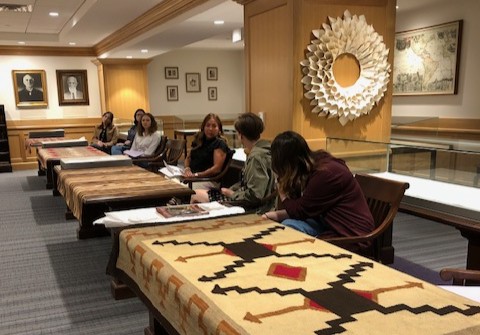
Want to learn more?
Explore the different areas of Experiential Learning and see what our alumni are up to.