All Us Beautiful Monsters: A New Poetry Collection by Alex Lemon
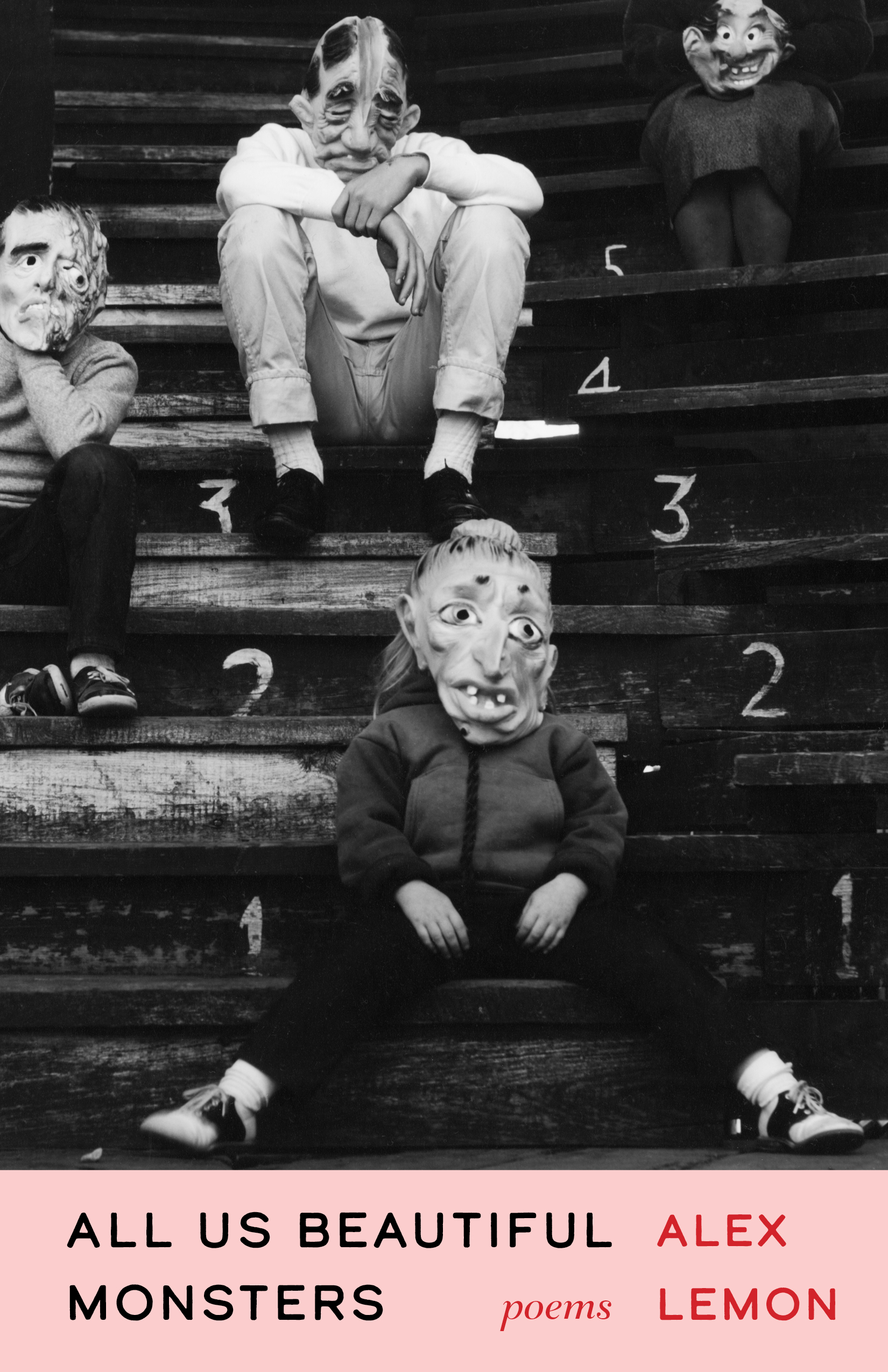
Released earlier this year, All Us Beautiful Monsters is a collection of poetry written by Professor Alex Lemon. The deeply imaginative collection is a luminous study in contradictions: corporeal bewilderment and overwhelming apathy,
the levity of dreams and the acridity of existence, aching grief and radiant joy (Milkweed). Keep reading to hear Professor Lemon's thoughts on the journey of bringing this collection to print, his unique creative process, and
his advice for students looking to find their own voices through poetry.
Q: What was the journey like getting this book published?
A: "I've been working on some of the poems from this book since 2019—-others are very
new, fresh hot fresh. It's my seventh book of poems and the journey has been relatively
similar the last couple of books—I write individual poems, revise, revise and revise
more before sending out the individual poems for publications in magazines and journals
like Esquire and American Poetry Review. At some point the pile of poems starts to
look like it just might be a book--and so as I still work on individual poems, I begin
to look at larger movements among the works, motifs, themes, topical or aesthetic
threads and a book begins to cohere and begins another endless journey of revision
and rearrangement. Eventually, I turn it into my publisher, Milkweed Editions and
then work with editors on polishing and editing the poems. Publishing-wise, I'm incredibly
fortunate and this is the first book of a three book contract I have with Milkweed
Editions."
"Part exclamation point, part fist at the sky, All Us Beautiful Monsters is a storm of breathtaking music that examines the uneasy heart. Intricate and explosive, here are poems built for these chaotic times.”— Ada Limón, author of Startlement
Q: What does your creative process look like?
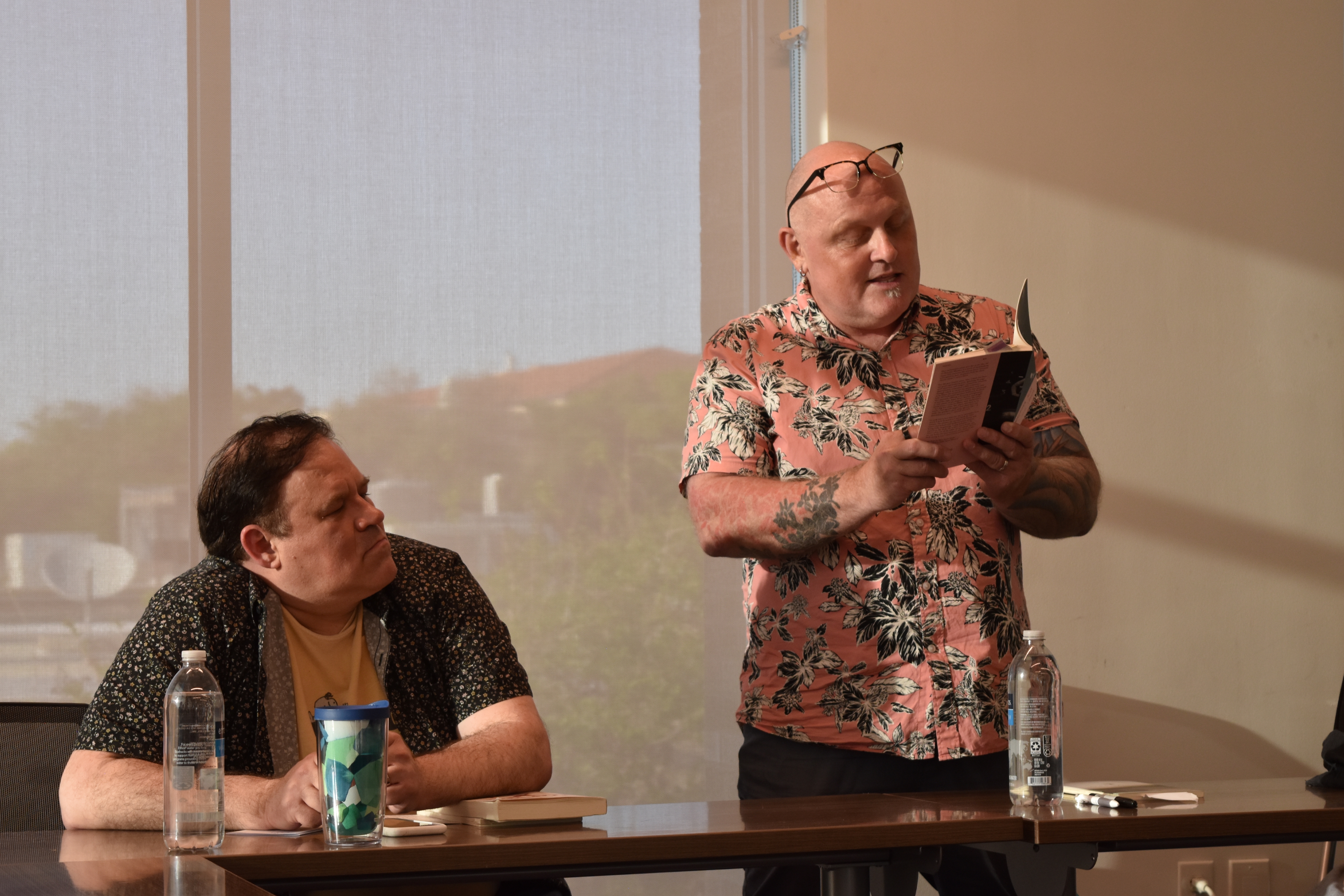
A: "My creative process involves lots of staring and zoning out when people are talking
to me because I'm always thinking about writing (This is true, ask Dr. Balizet). I
am always writing—not necessarily on paper, but in my head, at all times. The shards
and glimmers that rattle around my head get journaled and eventually I type up my
hard copy journal into word documents and poems begin to take shape from the fragments,
while others, miraculously, are somehow already done. I write and read every day,
usually early in the morning when there is no one else in the world. I try to rotate
between creation and revision but can get stuck in an imaginative groove in which
I'm just writing new work. Soon after that I put away the tinfoil hat and Blakean
imaginative heavens and snap on the surgeons rubber gloves and mask and begin the
precise, deeply engaged in craftwork, revising brain."
“Smack dab on planet nowhere, awaiting / The infinite ways a body can absorb / Pain.”
A: "Write and then write some more and before you finish write for a while longer. Substitute
reading for writing in that sentence and because reading widely and deeply is just
as important as learning to control the poetic line or write a sestina. I could be
totally wrong here because who am I to put words in another's mouth, but I think readers
are drawn to my poetry because as they navigate deep levels of sadness they are at
the same time joyous and euphoric - melancholy and absurd and deeply moving. They
are interested in what it means to be alive in this crazy ass world."
___